No products in the cart.
-15%
Spare Parts, Abstract Art, Diamond Earrings, Liga Mx, Sword & Shield, Books Books Books, Leather Stage Gear, Botanical Powders, Cleaning Supplies, Cock Rings, Target Steeldarts
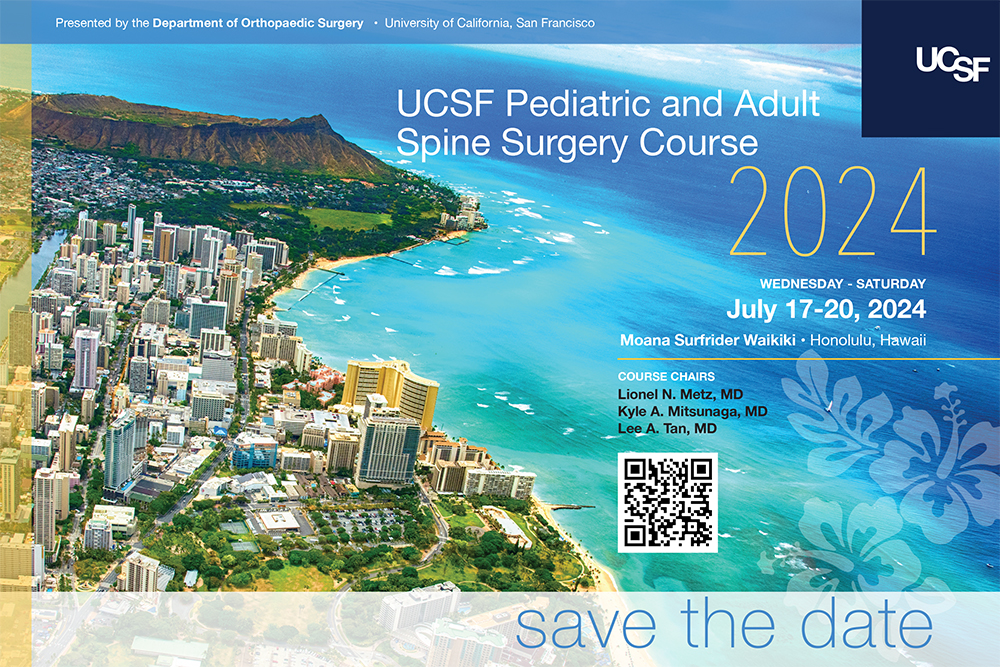
UCSF Pediatric and Adult Spine Surgery Course 2024
$ 36.00
🌟 Earn 9 Points with this purchase!
Compare
Ingredients Water, Glycerin, Myristic Acid, Stearic Acid, Potassium Hydroxide, Lauric Acid, Butylene Glycol, Glycol Distearate, Polysorbate 80, Sodium Methyl Cocoyl Taurate, Salicylic Acid, Cocamidopropyl Betaine, PEG-60 Hydrogenated Castor Oil, Fragrance, Sodium Chloride, Melaleuca Alternigolia (Tea Tree) Leaf Oil, Caprylyl Glycol, Ethylhexylglycerin, Salix Alba (Willow) Bark Water, Saccharomyces Ferment, Cryptomeria Japonica Leaf Extract, Nelumbo Nucifera Leaf Extract, Pinus Palustris Leaf Extract, Ulmus Davidiana Root Extract, Oenothera Biennis (Evening Primrose) Flower Extract, Pueraria Lobata Root Extract, 1,2-Hexanediol, Ethyl Hexanediol, Citric Acid, Disodium EDTA
Q: Can I use the COSRX Salicylic Acid Daily Gentle Cleanser every day? A: Yes, most skin types can use it twice daily. If your skin runs dry or sensitive, start with once a day in the evening and increase as your skin builds tolerance.
Q: Will this cleanser dry out my skin? A: The formula is designed not to strip the skin. Glycerin, cocamidopropyl betaine, and soothing botanical extracts help keep the skin’s barrier comfortable, so most people find it gentle enough for daily wash.
Q: Does the COSRX Salicylic Acid Daily Gentle Cleanser remove makeup? A: It lifts light makeup and sunscreen well, but for heavier makeup or waterproof SPF, we recommend using a dedicated oil cleanser or cleansing balm first, then following up with this BHA wash.
Q: Can I pair this with other BHA or retinol products? A: Yes, but ease in. Since it’s a rinse-off BHA, it generally layers fine with leave-on actives, but watch for dryness or irritation. Space out your strongest actives if your skin is reactive.
Q: Is it safe for pregnancy? A: Salicylic acid in low amounts in a rinse-off product is generally considered low-risk, but always consult your healthcare provider before adding any new active skincare during pregnancy or breastfeeding.
Step 1 – Cleanser: [This Product] – COSRX Salicylic Acid Daily Gentle Cleanser 150ml — Gently clears pores, sebum, and breakout triggers.
Step 2 – Toner: COSRX AHA/BHA Clarifying Treatment Toner — Layers more gentle exfoliation to smooth texture and refine pores.
Step 3 – Serum/Treatment: Anua Niacinamide 10% + TXA 4% Serum — Fades post-acne marks and brightens uneven tone left behind by breakouts.
Step 4 – Moisturizer: COSRX Advanced Snail 92 All In One Cream — A lightweight gel cream that hydrates and helps repair active-stressed skin.
Step 5 – Sunscreen (AM): Beauty of Joseon Relief Sun Aqua Fresh Rice + B5 SPF50+ PA++++ — Essential daily UV shield that won’t clog pores or feel heavy.
Customers Also Bought
- COSRX Advanced Snail 96 Mucin Power Essence — A calming, hydrating essence that pairs beautifully with daily BHA use to keep skin plump and barrier-healthy.
- COSRX Acne Pimple Master Patch — The perfect spot treatment for any breakout that slips past your cleansing routine.
- Anua Heartleaf 77% Soothing Toner — Adds extra calming power to help reduce redness after cleansing.
Description Include: 32 videos 32 pdfs, size: 14.3 GB Target Audience: surgeons, pediatric physician Sample video: contact me for sample video Information: Overview The UCSF Pediatric and Adult Spine Surgery Course is a three-and-a-half-day event emphasizing pioneering trends in pediatric and adult spinal surgery. This course is designed to be interactive with didactic lectures given by leaders in the spine community. Participants will review surgical principles and techniques in the treatment of complex spinal disorders. Expert lecturers will describe the state-of-the-art treatment for a variety of Pediatric and Adult Spinal Disorders. Interactive case presentations will allow learners to apply knowledge to improve decision-making for complex spine pathology. TARGET AUDIENCE Surgeons, physicians, nurse practitioners, physician assistants, residents and fellows wanting to broaden their hands-on experience will have the opportunity to improve skills in clinical evaluation, preoperative planning, and surgical techniques Objectives Objectives should be based on learning needs described above and/or the desired outcomes described below. Understand the indications, applications and surgical techniques for posterior column osteotomies, interbody fusion techniques, transpedicular osteotomy, and corpectomy techniques for spinal reconstruction. Interpret and apply current, best available evidence to assess sagittal alignment in the adult and pediatric deformity patient. Understand the options for interbody fixation and fusion, and techniques to achieve optimal arthrodesis. Demonstrate understanding of the appropriate application of “minimally invasive” surgical techniques. Evaluate and treat pain related to spinal disorders in a cost-effective and reliable manner based on recently published guidelines. Understand appropriate indications for surgery to treat various spinal pathology including degenerative disorders, spinal deformities, and tumors and deploy suitable surgical approaches to achieve goals of care. Evaluate and treat lumbar degenerative disease and deformity in a cost-effective manner based on an evidence based approach and understand how to mitigate morbidity and risk Avoid perioperative complications by identifying risk factors that may predispose individuals to perioperative morbidity. Determine modifiable risk factors and strategies for effective optimization. Diagnose spinal instability related to spinal tumors and formulate surgical treatment plans to address neurological deficits, pain, and instability in spine oncology patients based on published guidelines. Compare techniques and outcomes of procedures involving the cervical, thoracic, lumbar spine disorders and spinal tumors. Gain experience in the anatomical and technical subtleties of complex cervical, thoracic, and lumbar surgical procedures in a hands-on proctored cadaver lab experience with state of the art instruments and technology available to the participant. Understand the subtleties of patient selection for various procedures to optimize efficacy and safety in access to and instrumentation of all areas of the spine in both adult and pediatric patients. Correlate radiographic findings to surgical anatomy as they pertain to the approach and techniques for minimizing complications Refine and optimize preoperative and operative treatment planning for adult and pediatric patients Topics: Abstract Symposium.mp4 Addressing Pediatric Thoracolumbar and Lumbar Deformities.mp4 Addressing Pediatric Thoracolumbar and Lumbar Deformities.pdf Advances in Endoscopic Technique for Minimally Invasive Lumbar Fusion.mp4 Advances in Endoscopic Technique for Minimally Invasive Lumbar Fusion.pdf Blood Loss Management in Pediatric Deformity Surgery.mp4 Blood Loss Management in Pediatric Deformity Surgery.pdf Case Presentations.mp4 Choosing the Best Minimally Invasive Approach for Lumbar Degenerative Disease.mp4 Choosing the Best Minimally Invasive Approach for Lumbar Degenerative Disease.pdf Comparison of Prone vs Lateral Interbody Fusion, Evolution of My Technique.mp4 Comparison of Prone vs Lateral Interbody Fusion, Evolution of My Technique.pdf Complication Avoidance and Management in Complex Spinal Surgery.mp4 Complication Avoidance and Management in Complex Spinal Surgery.pdf Complication Avoidance in Routine AIS Surgery.mp4 Complication Avoidance in Routine AIS Surgery.pdf Contemporary Treatment of Cervical Myelopathy.mp4 Contemporary Treatment of Cervical Myelopathy.pdf Coronal Alignment in Adult Deformity, Optimizing Outcomes.mp4 Coronal Alignment in Adult Deformity, Optimizing Outcomes.pdf Correction Surgery for Cervical and Craniovertebral Deformities.mp4 Correction Surgery for Cervical and Craniovertebral Deformities.pdf Current Status of Stem Cell Therapy for Acute Spinal Cord Injury.mp4 Current Status of Stem Cell Therapy for Acute Spinal Cord Injury.pdf Decision Making in Lumbopelvic Trauma Management.mp4 Decision Making in Lumbopelvic Trauma Management.pdf Enabling Technologies in Pediatric Deformity Surgery.mp4 Enabling Technologies in Pediatric Deformity Surgery.pdf Goals of Correction in Adolescent Deformities.mp4 Goals of Correction in Adolescent Deformities.pdf Innovation in Lumbar Spine Fusion, The Courage to Innovate.mp4 Innovation in Lumbar Spine Fusion, The Courage to Innovate.pdf Interbody Reconstruction vs Posterior Based Osteotomies for Adult Sagittal Malalignment.mp4 Interbody Reconstruction vs Posterior Based Osteotomies for Adult Sagittal Malalignment.pdf Management of Cervical Spine Deformity.mp4 Management of Cervical Spine Deformity.pdf Management of Spondylolisthesis in the Adolescent Young Adult Patient.mp4 Management of Spondylolisthesis in the Adolescent Young Adult Patient.pdf Managing Complications after Spinal Deformity Surgery PJK, DJK, Adjacent Segment Disease.mp4 Managing Complications after Spinal Deformity Surgery PJK, DJK, Adjacent Segment Disease.pdf MOR25009_Agenda.pdf MOR25009_Syllabus.pdf Nuances of MIS Deformity Surgery.mp4 Nuances of MIS Deformity Surgery.pdf Pediatric Spine Trauma Similarities & Differences from the Adult Experience.mp4 Pediatric Spine Trauma Similarities & Differences from the Adult Experience.pdf Predictive Modeling and Deep Learning in Preoperative Patient Evaluation.mp4 Predictive Modeling and Deep Learning in Preoperative Patient Evaluation.pdf Prospective on Spine Surgery Over the Last 20 Years What are we doing better and where do we fall short.mp4 Prospective on Spine Surgery Over the Last 20 Years What are we doing better and where do we fall short.pdf Salvage Surgery of Previously Fused Thoracic and Lumbar Spine Deformities.mp4 Salvage Surgery of Previously Fused Thoracic and Lumbar Spine Deformities.pdf Single Level Cervical Disease When to Offer What.mp4 Single Level Cervical Disease When to Offer What.pdf The Nuances in Management of Spinal Osteodiscitis, an Evidence-Based Approach.mp4 The Nuances in Management of Spinal Osteodiscitis, an Evidence-Based Approach.pdf Thoracolumbar Spine Trauma and Use of Enabling Technologies.mp4 Thoracolumbar Spine Trauma and Use of Enabling Technologies.pdf Treatment of Kyphosis in Pediatric and Young Adult Patients.mp4 Treatment of Kyphosis in Pediatric and Young Adult Patients.pdf Upper Cervical Pathologies and Instrumentation Techniques.mp4 Upper Cervical Pathologies and Instrumentation Techniques.pdf Upper Cervical Trauma.mp4 Upper Cervical Trauma.pdf
Related products


Select at least 2 products
to compare